
Somewhere along the way, humans collectively decided that drinking milk was not only normal but necessary. Got Milk? You’d better, or your bones will crumble to dust — at least that’s what decades of dairy industry marketing would have you believe. Milk became a staple in school lunches, and the thing your mom told you to drink before you could leave the table. It’s baked into our culture so deeply that questioning it feels almost rebellious.
And yet. A significant chunk of the global population is lactose intolerant. Roughly 65% of adults, in fact. So the “milk is for everyone” messaging has a large, gassy asterisk attached to it.
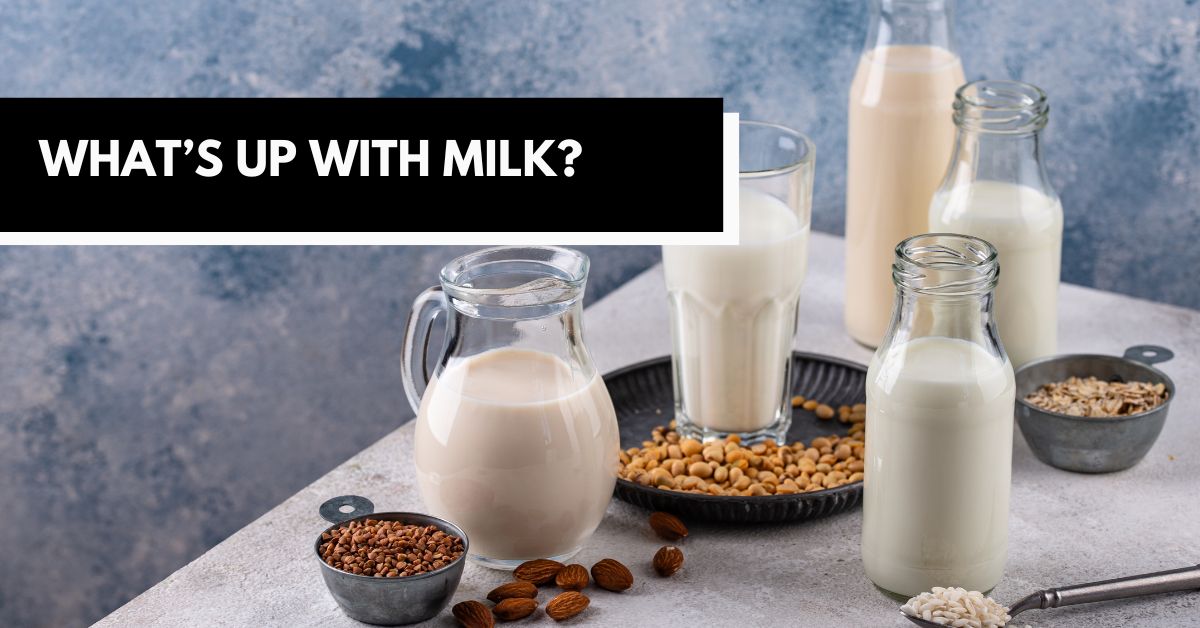
After decades of successful marketing, Big Dairy’s grip on the word “milk” is loosening. Plant milk options are proliferating — oat milk that froths beautifully in your latte, creamy cashew and almond milk that makes rich pasta sauces, and silky soy milk (a complete protein, thank you very much) that I splash in my coffee every morning. Last summer, I enjoyed the dreamiest cappuccino of my life in S. Dartmouth, MA — made with (who knew?) pistachio milk.
Many plant milks are fortified with calcium and vitamin D, so the nutritional gap between dairy and plant-based has never been smaller.
Why Should I Choose Plant Milks Over Dairy?
They contain zero cholesterol, are lower in saturated fat, and are kinder to the environment because, well, they don’t require a greenhouse gas-producing cow. With so many delicious alternatives now available, the real question isn’t whether you need dairy milk — it’s why you were ever told you did.
If you want to learn more, visit Olympic silver medalist, plant-based cyclist Dotsie Bausch’s website, Switch4Good. Dotsie was outraged with the dairy industry’s ad campaign that bragged, “9 out of 10 Olympians grew up drinking milk,” and frustrated by dairy’s infiltration of Team USA through sponsorships and national training centers. She assembled a group of dairy-free Olympians to film a competing commercial. The dairy industry’s lobbying got it pulled from NBC — an act of censorship that inspired her to found Switch4Good, a nonprofit that is challenging the dairy industry’s influence on athletes and nutrition policy. And winning.
So, pick up a plant milk — any kind! — and try it in one of these recipes. The planet, your cardiologist, and the cows will thank you.
Sweet and Savory Dairy-Free Recipes
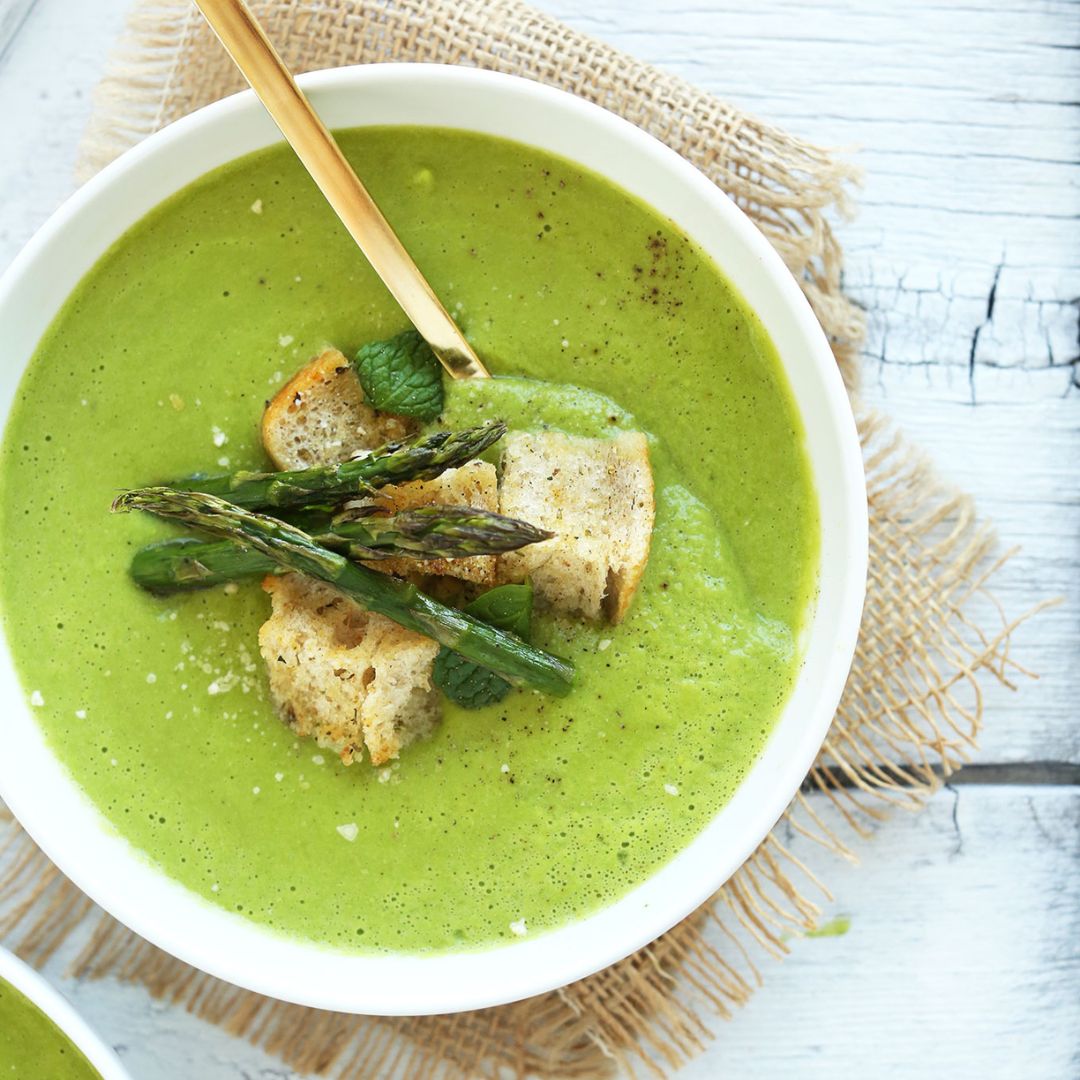 Creamy Asparagus and Pea Soup: Nine ingredients. That’s it. If your soup has more, you’re overcomplicating your life. This 30-minute roasted asparagus soup — peas, shallot, garlic, almond milk — is creamy, it’s satisfying, and honestly? I’m only here for the garlic croutons. The soup is just their vehicle. (Although they are totally optional!).
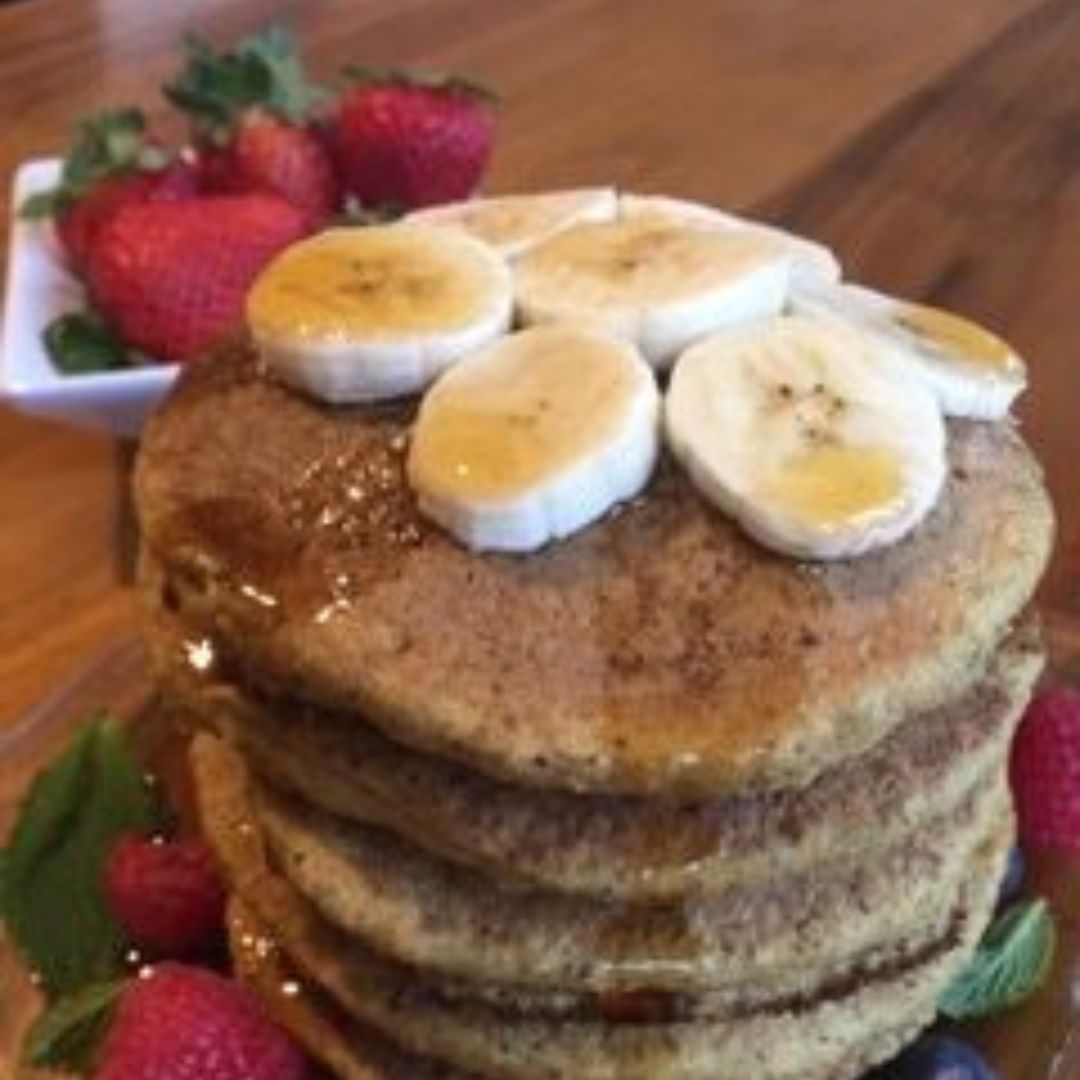 Fluffy, High-Protein Quinoa Pancakes: Apparently, I’m America’s only pancake hater. My issue? They’re basically just a maple syrup delivery vehicle — and a spiteful one at that, sending my blood sugar into free-fall an hour later. Then I discovered pancakes can actually be protein-packed and blood-sugar-friendly. Game changer. And the best part: maple syrup is still completely justified. Note for the flax-curious: Ground flax seeds sub for eggs in baking — more fiber, zero cholesterol, and once they’re in the batter, totally tasteless. Just fluffy, yummy pancakes.
 Penne in Creamy Tomato Sauce: One pot. No mess. No culinary degree required. This creamy tomato pasta comes together so effortlessly it’s almost suspicious. Sun-dried tomatoes get caramelized with tomato paste, garlic, shallots, and spices until deeply fragrant. A splash of white wine goes in, because pasta without wine is just sad. Then soy milk, fresh tomatoes, and the pasta itself all pile into the same pot — and here’s where things get clever. The pasta releases its starches as it cooks, which mingles with the soy milk and tomato juices to conjure a sauce that’s genuinely rich and creamy, with no cream in sight. Pure comfort. One pot. 100% fabulous.

just wanted to say you are not the only pancake hater – i always have and still do.
and I love pistachio milk – it’s the best