

An Uber driver in Baltimore inspired me to write this post. She’d picked me up at the airport, and drove me to my mother’s apartment. Yes, I am that passenger who channels her inner-Barbara Walters and interviews every Uber driver who’s fortunate enough to score me as a passenger. Why? Because there is no such thing as an Uber driver who doesn’t have a story I want to hear. My opening question: So, how did you come to be driving for Uber?
The driver was from Indonesia. “The land of tempeh!,” I responded. She was shocked. “I have never met an American who knows what tempeh is,” she said, trying to get a good look at my face in her rearview mirror. For the next 40 minutes, we exchanged tempeh recipes. And trash-talked tempeh-clueless and tempeh-resistant Americans.
Ms. Uber driver (I forgot your name, sorry), this one’s for you.
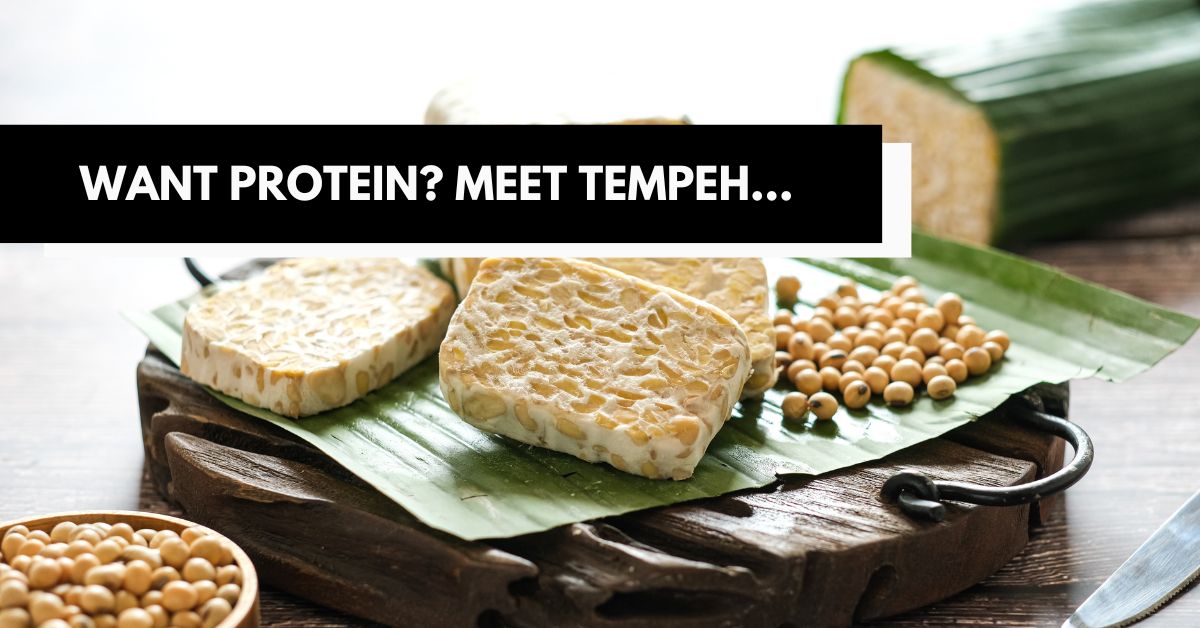
Want Protein? Meet Tempeh.
Let’s be honest: if someone handed you a brown, bumpy slab of fermented soybeans and said “eat this,” you’d have questions. Fair. Tempeh is not winning any beauty contests. But before you scroll past, hear me out — because this weird little brick might be the most underrated protein in the grocery store.
So, what is Tempeh? Tempeh (pronounced TEM-pay, so you can say it confidently at Whole Foods, where it’s next to the tofu) is a traditional Indonesian food made from whole soybeans that have been fermented and pressed into a firm cake. That’s it. No mystery ingredients, no scary processing — just soy beans, a little culture, and time. Think of it as the grown-up, more nutritious cousin of tofu. Tofu is the ingénue; tempeh has a mortgage and an IRA.
News You Can Use: Do you know about the Yuka app? My friend Katie just shared it with me, and it’s become a daily obsession. Load it onto your phone, and scan the bar codes of anything in your pantry, fridge and freezer, to decipher the ingredients and discover the food’s impact on your health. (I use it while shopping for food, too). Yuka scores any food you aim your camera at, between zero (don’t even think about eating this!) and 100 (go for it!), based on factors like amount of protein, fiber, saturated fat, sugar, additives, etc.
Trader Joe’s Tempeh scores 100! (As a reference point, Whole Foods Gluten-Free Almond Flour Rosemary & Sea Salt Crackers scored an I-will-never-buy-these-again, shockingly low 34).
A single 3-ounce serving of tempeh packs about 16 grams of complete protein — meaning it contains all nine essential amino acids your body can’t make on its own. It’s also loaded with iron, calcium, magnesium, and B vitamins. And because it’s fermented, it’s great for gut health too (your microbiome will send a thank-you note). All of this, without the saturated fat that comes with most meat and dairy.
Okay, but why do people hate it?
Mostly because they cooked it wrong. Plain, uncooked tempeh straight from the package tastes… bitter. A little funky in a way that’s hard to explain but easy to dislike. Here’s the secret that tempeh loyalists don’t always tell you: it needs to be cooked, seasoned, and ideally crumbled and marinated. Tempeh is a vehicle for flavor. It absorbs marinades beautifully, gets wonderfully crispy when pan-fried or baked (which gives it the consistency of ground beef), and takes on whatever mood you’re in — smoky, savory, sweet, spicy.
Ready to give it a shot?
I’ve rounded up recipes that prove tempeh can absolutely earn a regular spot in your dinner rotation — no culinary degree required, no ingredients you can’t pronounce. We’re talking weeknight-friendly, genuinely delicious meals that will make you wonder why you waited this long.
Making Tempeh Taste Good
 BBQ Tempeh: This tempeh is the stuff of smoky, tangy, slightly-spicy dreams. If tempeh has ever scared you off with its bitterness or weird texture, this recipe is your redemption arc: the BBQ sauce bulldozes any unpalatable flavor, and a quick pan-fry gets it golden and crispy. Basically, this is the recipe that makes tempeh converts. Serve on top of a grain like quinoa or brown rice, or turn it into a BBQ sandwich with all the fixings.
Crispy Tempeh Tacos: I became a tempeh convert when I learned to crumble, season, and pan fry it. This was the recipe that made me a convert. (My husband was on the tempeh bandwagon way before I was). Sweet, tangy, and crunchy. You can assemble it into a taco with any toppings you like. This avocado crema is ‘da bomb!
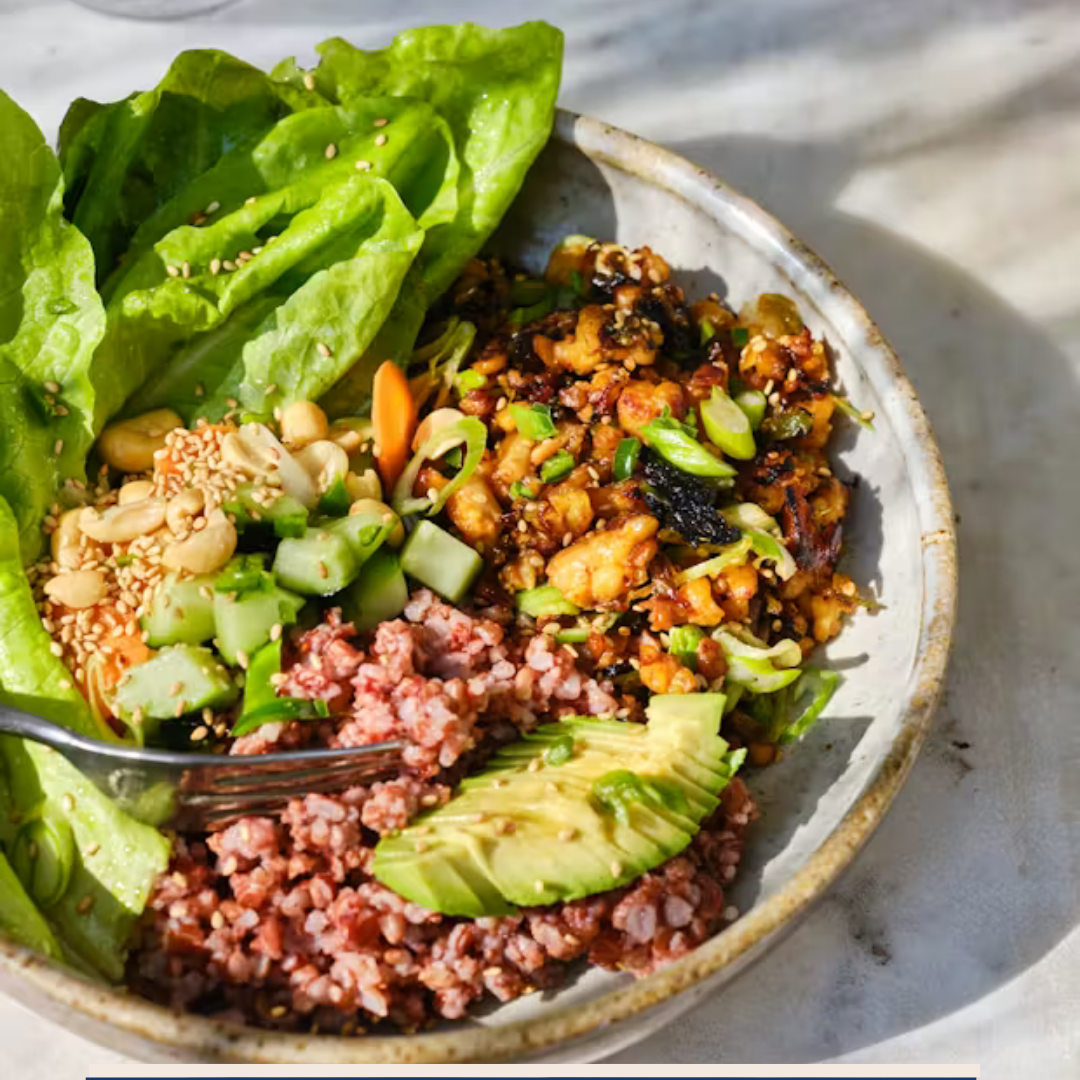 Spicy Tempeh Crumble Bowl: Sweet, caramelized tempeh crumbles that are versatile enough to go on grains, greens, or tucked into a tortilla, and frankly, it deserves a spot on every restaurant’s “add a protein” list. I’m manifesting that future.
Maple Marinated Tempeh Wrap: Creamy sweet potato, earthy hummus, crispy maple-rosemary tempeh, and crunchy kale walk into a wrap — and yes, it’s as good as it sounds. This is a 15-minute lunch or dinner that tastes like you actually tried, which is frankly the dream. (Raw kale skeptics — and we know you’re out there — can swap in lettuce. It works just as well, no judgment.)
 Peanut Ginger Tempeh Stir Fry: Ginger, peanut butter, soy sauce (or amino acids), and maple syrup — honestly, what’s not to love? This stir fry works so hard to bury any trace of tempeh bitterness that you’ll forget it was ever a concern. Marinate, toss with a mountain of broccoli (or whatever sturdy vegetables are languishing in your fridge), and stir fry into a meaty, sweet, salty, deeply satisfying dinner that earns a solid A+.
This Sunday, May 3! Free Zoom Cooking Class by a Pro: The Soulful Dinner Series
Want to learn how to make new plant-based foods, and improve your cooking hacks? Check out the Soulful Dinner Series. Plant based food writer and chef, Miami-based Ellen Kanner, is hosting a series of live online cooking demos to introduce you to the endless variety of plant-based dishes, from the comfort of your own home.







Leave A Comment